Content Reference

Rent control is intended to help keep housing affordable for tenants, but this study in San Francisco found renters living in rent controlled units actually face a higher rate of eviction. How can cities mitigate unintended consequences of these policies to achieve their goals?

Rent control is intended to help keep housing affordable for tenants, but this study in San Francisco found renters living in rent controlled units actually face a higher rate of eviction. How can cities mitigate unintended consequences of these policies to achieve their goals?

Housing code enforcement is meant to ensure safe, stable housing, but a new report reveals how uneven practices and limited resources often leave neighborhoods in low-income areas stuck in cycles of instability.

The housing crisis is driven largely by a lack of supply. But how does new supply affect displacement for people earning lower incomes? A study focused on Los Angeles and San Francisco to explore the question.
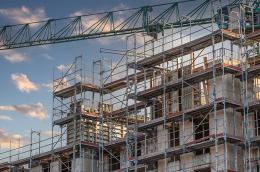
One of the critical pathways to addressing the housing crisis is the addition of new buildings. But multifamily planning and construction for both new buildings and conversions can be onerous, especially in regions with lots of regulations.
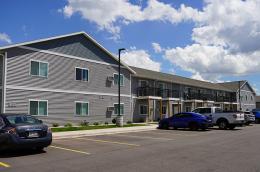
Growing evidence finds that landlords often use eviction filings to facilitate debt collection, extract fees, or control tenant behavior and that the threat of eviction can exacerbate tenants’ housing instability.

As suburban neighborhoods grow in economic, racial, and ethnic diversity, recent research finds that health infrastructure and the health care safety net often aren’t keeping up with demand.