Content Reference
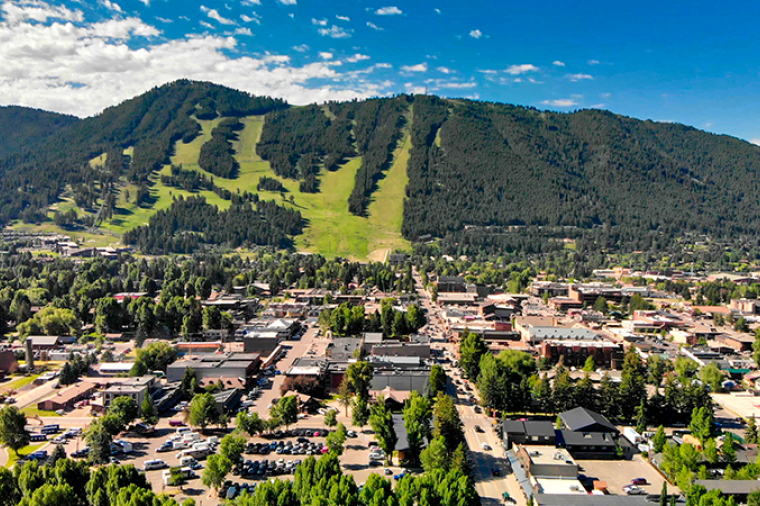
The Community Foundation of Jackson Hole's Housing Solutions Initiative brings together cross-sector partners to address local housing affordability and accessibility using the Urban Institute’s Policy and Systems Change Compass. This collaboration offers early lessons for other communities looking to develop a similar collective to address local challenges’ root causes.
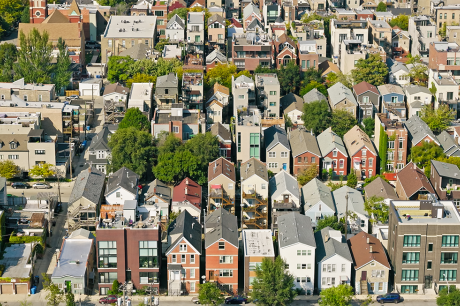
We spoke with Urban Institute experts on affordability, homelessness, climate change, and housing finance to find out what they see as the biggest housing challenges facing states and localities this year—plus what they view as the most promising housing actions to address these issues.

Students without stable housing face major challenges to their learning, but targeted support could help unstably housed students achieve academic success.

The social safety net for older adults is under growing strain—leaving many at increased risk of housing instability, homelessness, and declining health. Here are five emerging threats and what local policymakers can do now to protect older residents.
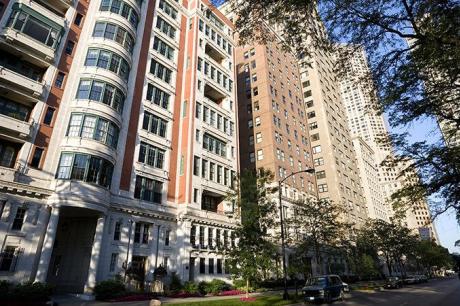
Emergency Rental Assistance programs supported more than 3 million renter households with lower incomes during the pandemic. How can state and local governments continue to support housing stability for renters while learning from these programs?

Across the country, aging affordable housing presents challenges for residents and housing providers alike. Not only are older buildings expensive to maintain, but deferred maintenance also drives up utility costs, leads to health and safety issues, and erodes affordability.
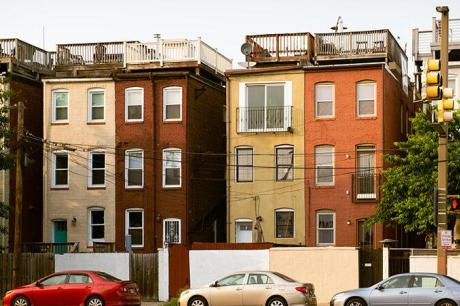
Over the past 70 years, Baltimore has experienced population decline and disinvestment that has resulted in a high number of vacant properties. Through a whole-block redevelopment strategy, $3 billion in cross-sector investments, and strong community engagement, the city cut vacancy by 21 percent