Content Reference

The Community Foundation of Jackson Hole's Housing Solutions Initiative brings together cross-sector partners to address local housing affordability and accessibility using the Urban Institute’s Policy and Systems Change Compass. This collaboration offers early lessons for other communities looking to develop a similar collective to address local challenges’ root causes.
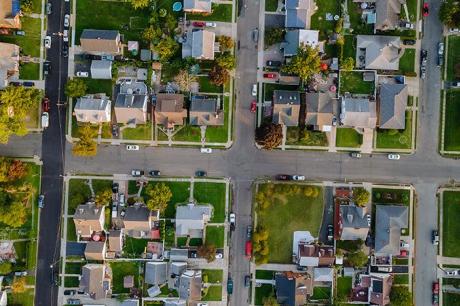
Fair Chance housing laws attempt to reduce barriers to affordable housing for people with criminal records. States could make these laws more effective by improving outreach, education, and enforcement.

Milwaukee’s Reclaiming Our Neighborhoods coalition is using community-driven data to identify housing needs, hold absentee landlords accountable, and advocate for equitable investment—one parcel at a time.

Automatically sealing or expunging criminal and eviction records—especially those that are inaccurate, misleading, acquitted or dismissed—can reduce the negative economic and social effects for those with court records, giving those in need of stable housing a better chance of finding it.
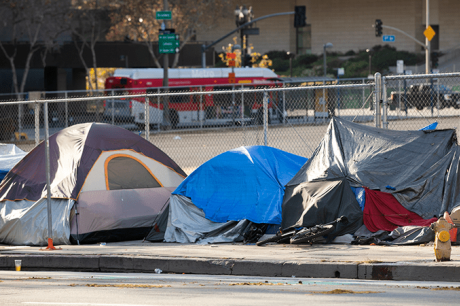
Older adults are the fastest-growing age group among people experiencing homelessness. Without intervention, this trend could lead to a public health crisis.

Almost half of US homes are vulnerable to climate disasters. One organization demonstrates how to improve housing quality, address environmental hazard risks, and expand economic opportunity.

To explore what junk fees are, how they affect overall monthly costs, and what the implications are for policy and practice, the Urban Institute and the Community Economic Defense Project analyzed a small number of randomly selected rental ledgers from three housing providers in Denver, Colorado.