Content Reference

The Community Foundation of Jackson Hole's Housing Solutions Initiative brings together cross-sector partners to address local housing affordability and accessibility using the Urban Institute’s Policy and Systems Change Compass. This collaboration offers early lessons for other communities looking to develop a similar collective to address local challenges’ root causes.
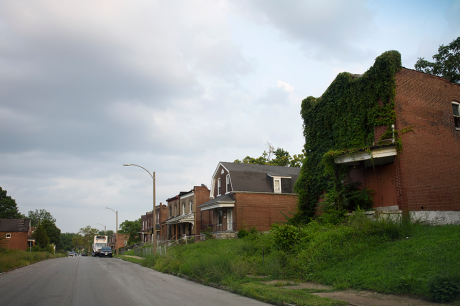
In Tulsa, like many US cities, the housing shortage has reached a crisis point. Strategies other municipalities are undertaking to incentivize bringing vacant properties into productive use offer lessons for Tulsa and any community seeking to address the housing supply crisis.

Many jurisdictions are considering or have already enacted zoning reforms to boost housing supply. Here’s what research tells us about when it delivers new housing and when it doesn’t.

The Milwaukee nonprofit Community Development Alliance offers a model for how community data organizations can strengthen housing equity efforts.
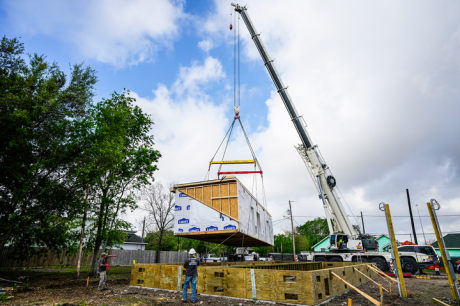
Most new manufactured homes are shipped to states with relatively high exposure to hurricanes, tornadoes, and flooding. As federal policymakers expand access to manufactured housing, they have an opportunity to update federal construction and safety standards.
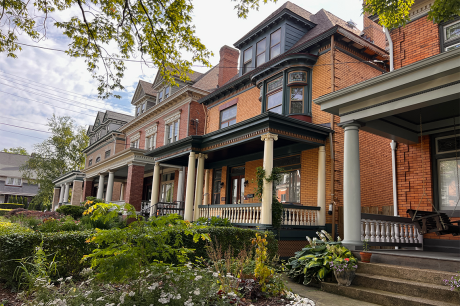
When homeownership passes between generations without clear legal title, it can quietly unravel—leaving families with assets they can’t sell, repair, or borrow against. Catapult Greater Pittsburgh’s CLEAR program offers an integrated solution.
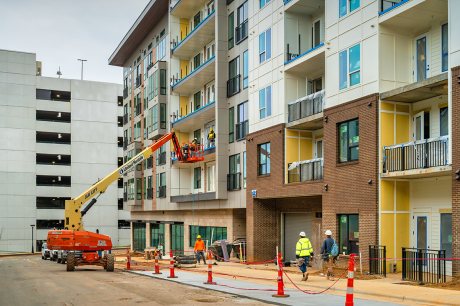
Oklahoma’s Low Income Housing Tax Credit program shows investing in affordable housing doesn’t just provide the shelter people need. It functions as a strong economic development tool, generating returns comparable to, and often exceeding, other public infrastructure investments.